Innovative healthcare solutions through engineering and biomedical research.
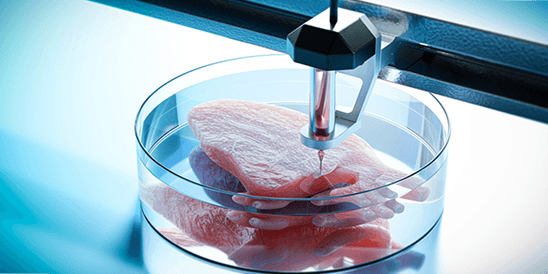
Focuses on extrusion-based 3D bioprinting for the development of artificial tissues and tissue-mimicking models. Applications include skin and brain tissue simulants, with emphasis on reproducing their structural and mechanical characteristics. These medical simulators support surgical training, biomedical research, implant evaluation, and preclinical testing.
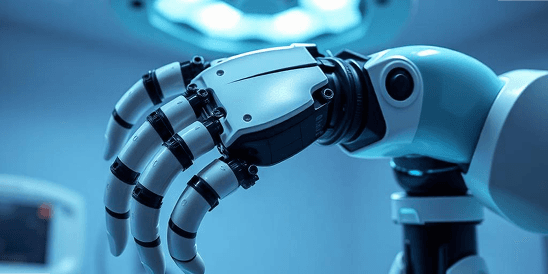
Development and application of pressure sensors, wearable/smart insoles, and exoskeleton systems for biomechanical and human-motion analysis. Robotic slip testers are used to evaluate friction, grip, and slip-related behaviour under controlled conditions. Gait analysis integrates sensor and wearable technologies to assess walking patterns, plantar pressure, balance, and locomotion.
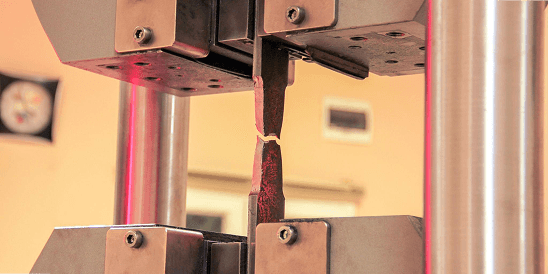
Mechanical characterisation of soft and hard tissues and biomaterials under different loading conditions. Research includes auxetic metamaterials with engineered mechanical and deformation properties. Testing covers low- and high-strain-rate behaviour, incorporating both static and dynamic mechanical testing for biomedical and engineering applications.
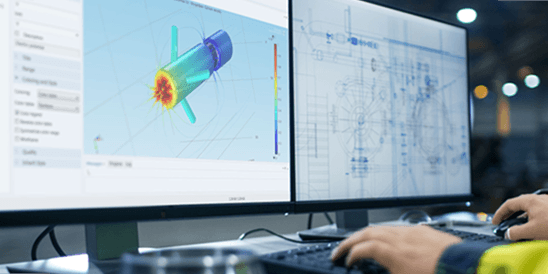
Application of Finite Element Method (FEM), CFD, and LS-DYNA for computational analysis of biological tissues, biomaterials, and biomedical systems. Static and dynamic simulations are performed to predict deformation, stress, strain, impact response, and injury mechanisms. Applications include implants, injury and TBI analysis, skin grafting, footwear development, and vibration analysis.